Address
309-808-6261
Work Hours
Monday to Friday: 9AM - 5PM
Address
309-808-6261
Work Hours
Monday to Friday: 9AM - 5PM

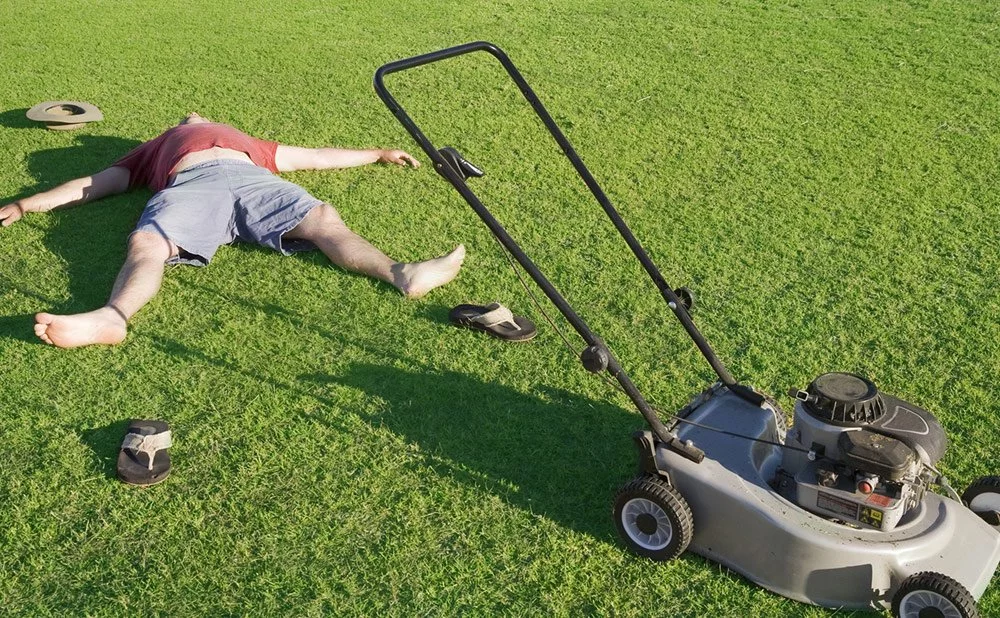
Knowing how to mow your lawn correctly is essential for maintaining a healthy and beautiful outdoor space. Proper mowing practices keep your lawn neat and well-groomed, promoting vigorous root growth and overall vitality. Mowing at the correct height helps the grass blades to capture more sunlight, ensuring better photosynthesis and nutrient absorption. Additionally, following the one-third rule – where you only cut one-third of the grass height in a single mowing session – prevents shock to the grass and encourages steady growth. Regularly sharpening your mower blades ensures clean cuts, reducing the risk of brown or ragged edges on the grass. By understanding the importance of mowing techniques, you can create a lush, vibrant lawn that becomes the envy of the neighborhood while also fostering a resilient and thriving turf for years to come.
The best time to mow the lawn is during the early morning or late afternoon when the temperatures are cooler. Cutting during these times helps prevent stress on the grass, as the cooler temperatures reduce the risk of heat shock and water loss. Additionally, the dew on the grass in the early morning can act as a natural lubricant, making it easier to cut the grass evenly. Mowing in the late afternoon allows the grass to recover overnight without the immediate stress of the hot sun. Avoid mowing during the hottest part of the day, typically between 10 am and 3 pm, as this can lead to brown patches and damage to the grass due to the intense heat and sun exposure.
Another factor to consider when deciding the best time to mow the lawn is the growth rate of the grass. During the active growing season, such as spring and early summer, the grass may require more frequent mowing, possibly once a week. In contrast, grass growth may slow down during hot or dry periods, reducing the need for frequent mowing. Observing the growth patterns of the grass and adjusting the mowing schedule accordingly in that way it will ensure that your lawn remains healthy and well-maintained throughout the year. Ultimately, understanding the best time to mow the lawn depends on a combination of factors such as temperature, growth rate, and time of day, all aimed at promoting your lawn’s overall health and appearance.
The frequency of mowing your lawn depends on the growth rate of the grass, which varies with the seasons and climate conditions. During the active growing season, typically in spring and early summer, you may need to mow your lawn once a week or every 5 to 7 days. This ensures that the grass remains at an optimal height and prevents it from becoming overgrown. As temperatures rise and rainfall increases, the grass grows more rapidly, requiring frequent mowing to maintain a neat and well-kept appearance.
In contrast, grass growth may slow down during hot and dry periods or late in the growing season. Mowing every 10 to 14 days is sufficient to keep the lawn at an appropriate height. Adjusting your mowing schedule based on the growth rate of the grass is crucial to prevent cutting more than one-third of the blade length in a single mowing, as removing too much at once can stress the grass and lead to brown patches or thinning.
It’s important to note that the type of grass in your lawn also plays a role in determining how often to mow. Some grass varieties, such as Bermuda or Kentucky bluegrass, tend to grow faster and require more frequent mowing than Zoysia or Fine Fescue. Observing the growth patterns of your lawn and being mindful of weather conditions will help you establish a suitable mowing schedule, ensuring that your lawn remains healthy, lush, and visually appealing throughout the year.
Mowing the lawn is fundamental to lawn care, but doing it correctly goes beyond simply cutting the grass. The proper way to mow a lawn not only enhances the appearance of your yard but also contributes to its overall health and vitality. In this comprehensive guide, we’ll walk you through the essential steps and best practices for achieving a beautifully manicured lawn that becomes the envy of the neighborhood.
One of the key factors in proper lawn mowing is setting the correct mowing height. Different grass types have specific height requirements, and cutting them too short or too long can be detrimental. Generally, it’s best to follow the “one-third rule”: never cut more than one-third of the grass blade length at a time. For cool-season grasses like Kentucky bluegrass and fescue, maintain a 2.5 to 3.5 inches height. Warm-season grasses like Bermuda or Zoysia should be mowed between 1.5 to 2.5 inches. Keeping the grass at the correct height promotes profound root growth, improves drought tolerance, and reduces weed invasion.
Dull mower blades tear the grass, leaving ragged edges that stress the plant and make it susceptible to disease and pests. Regularly sharpening your mower blades ensures clean cuts, allowing the grass to recover quickly and maintaining a neater appearance. Inspect the mower blades before each mowing season and have them professionally sharpened if necessary. Remember, sharp blades benefit your lawn and improve your mower’s efficiency and performance.
While it may be tempting to mow in random directions, mowing with a consistent pattern is essential for an even and professional-looking finish. Start by mowing around the perimeter of the lawn to create an outline, then work your way back and forth in straight lines or arcs, slightly overlapping each pass. Alternating the mowing direction with each session helps prevent the grass from leaning in one direction, promoting upright growth and a more uniform appearance.
Mowing wet grass can lead to uneven cutting and clumping, causing a messy and unhealthy lawn. Wet grass is also more susceptible to disease, and mowing can spread fungal spores, contributing to potential infections. Aim to mow when the grass is dry, typically in the early morning or late afternoon when the dew has evaporated. If you must mow after rain, wait until the grass has dried sufficiently.
Mowing your lawn the proper way is the foundation of a lush, healthy, and visually stunning yard. By following these essential tips on setting the right mowing height, keeping your mower blades sharp, mowing with a pattern, and avoiding mowing wet grass, you’ll create a well-manicured lawn that thrives throughout the seasons. Remember, consistent and proper lawn mowing not only enhances your outdoor space but also fosters a resilient and resilient turf that will be the pride of your home. Happy mowing!
